Once we understand that there are shades of evangelicalism, and that they manifest in a variety of political convictions, perhaps we can recognize that religious beliefs deserve legitimate space in the public square.
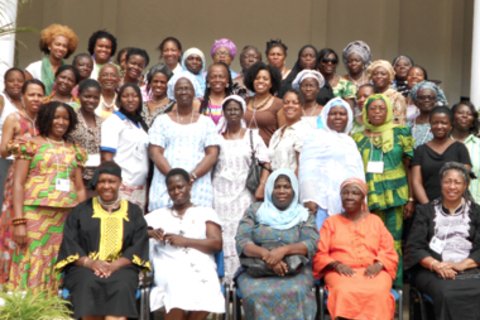
Still, that the women gathered at all is both noteworthy and historic. This meeting in Ghana is related to mid-twentieth century liberation movements and, especially, mid-to-late twentieth century liberation theologies. The furor that emerged during the 2008 US presidential campaign over black liberation theology and the recent echo of that uproar during the current campaign only highlights the unlikeliness of a convening of a meeting rooted in mid-twentieth century ideals.
What ought we do about millennial thinking in our day? If the combined 1300 pages of these two books have taught me anything, it’s that we can’t make it just go away. There is something fascinating, and perverse, in the human psyche that seems to yearn for this world to be other than how it is, even if that means destroying it.
Rather than attributing Holmes’ and the Joker’s nonexistent moral compass (and neither seems to have one) to an absence of moral training that would be there if prayer were back in public schools, we may need to look at their apparent lack of a self-conscious narrative as a more telling source.
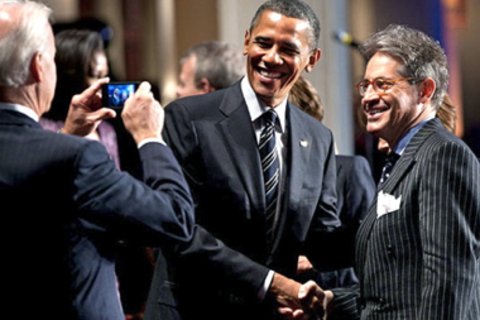
Probably few who gathered to hear Bonhoeffer’s latest biographer expected to be asked to imagine themselves called by God to rise up against a regime that might be as heinous as the Third Reich—but as it turns out Metaxas is not unique among religious-right intellectuals in his use of the language of armed revolt.