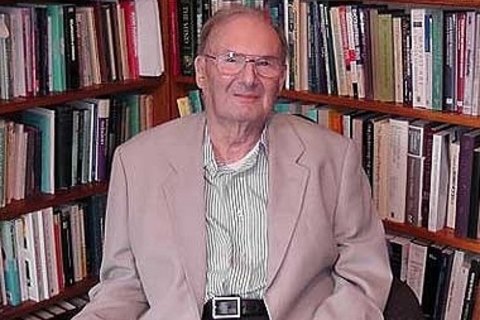
John Hick, a celebrated theologian and philosopher who died earlier this year, was drawn to issues that transcend any particular tradition—the question of evil, the meaning of suffering, life after death, and religious diversity.
A pair of evangelical professors have written a point-by-point refutation of the religious right’s favorite historian. The question remains: does it matter?
Why “spiritual, but not religious” is problematic and makes one academic want to punch those who say it in the face. Hard. Theologians are often open about their religious stance, so there shouldn’t be a double standard for critical, reflective atheist voices.
In many ways, The Rich and the Rest of Us is political sustenance for the already converted to liberal and leftist causes. Quoting historian Howard Zinn and looking to the insights of filmmaker Michael Moore probably will not convince many conservatives to rally to the cause—and when Smiley and West rely on Barbara Ehrenreich, they are drawing upon a fellow dissident. Put simply, they are preaching to the choir—but choirs need encouragement too. This is what Smiley and West accomplish: they provide the Occupy generation with a text to rally around.