Atheism

Religion Dispatches
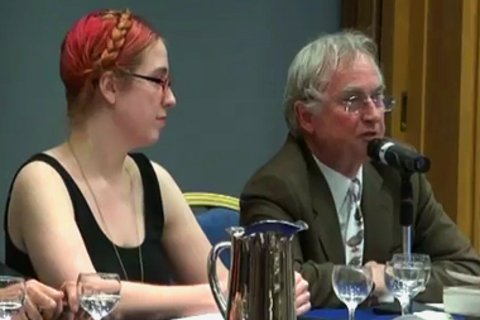
By the time The Amazing Meeting rolled into Vegas, nerves were raw. It seemed like everyone was both sick of hearing about Elevatorgate and still nursing at least a little irritation toward what they perceived as either the sexism and insensitivity, or the political correctness, of their fellow atheists. Those of us in attendance dealt with it the best way we knew how—by joking about it. When that got old, we resorted to jokes about how bad our jokes were. Underneath the layers of meta-humor, however, it was clear that the heated argument had taken a toll on the atheist and skeptic community.
Article
Religion Dispatches
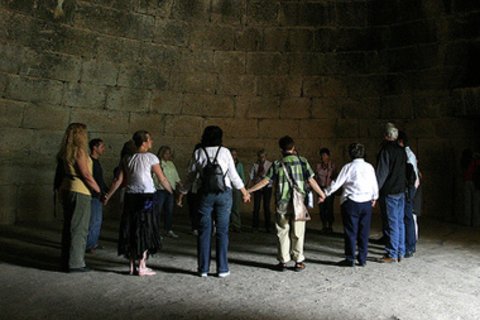
The atheist and the interfaith movements actually share a common point of origin: they both started, in part, as a reaction to religious extremism. Much like the atheist movement, the interfaith movement seeks to build inter-group understanding, encourage critical thinking, and end religiously-based sociological and political exclusivism. The fundamental misunderstanding that many atheists have is that they imagine the interfaith movement as disinterested in combating religious totalitarianism and solely existing to maintain religious privilege—as an excuse to show that religion, in its many diverse forms, has a monopoly on morality—but that couldn’t be further from the truth.
Article
Religion Dispatches
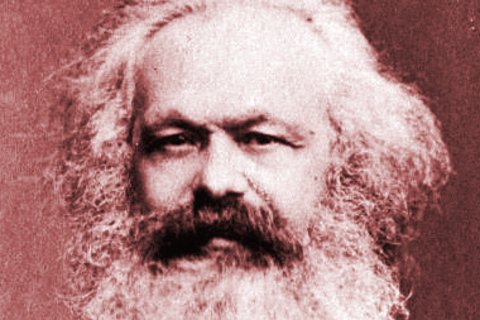
Usually, a book about ideas is pretty straightforward. The author is saying this stuff because he believes it. With Terry Eagleton, the British Marxist literary theorist, it’s less so. Marxism, in Eagleton’s hands, is neither exactly a science, nor a practical political agenda. It emerges as essentially a vision, a gaze, a discourse—of political life transformed, of human dignity at last universalized.
Article
Religion Dispatches
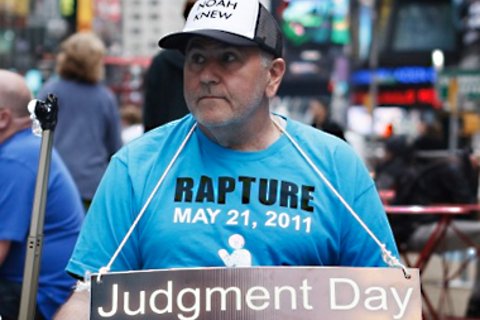
And so the world still turns. No rapture, no living hell, no Armageddon. We are where we were before the weekend with no signs of Christ’s return, facing the same ol’ same ol’: Arnold’s love child, Newt’s flame-out, life without Oprah. Perhaps this might be a nice teachable moment to reflect on all this—not nonsense at all, but rather an illuminating cultural moment that reveals an awful lot about the role of religion in our crazy world. What are the key takeaways from the “mediapocalypse”? Here are five for your consideration:
Article
Religion Dispatches
During my lecture I faced a standing room crowd of heretics, fence sitters, curiosity seekers, and true believers bracing for a circus sideshow. Traveling across America to speak on freethought and abolitionism during the 19th century, white feminist atheist Ernestine Rose was smeared as being a “thousand times below a prostitute.”
Article
Religion Dispatches
Atheists aren’t perfect, just not forgiven.
Article
Religion Dispatches
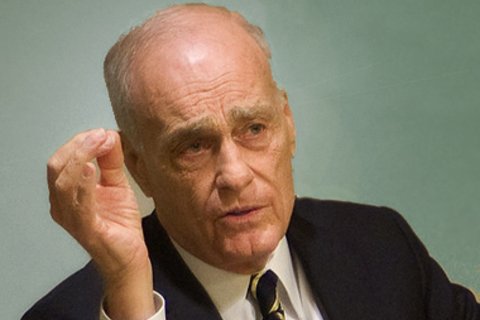
When he’s not writing bestselling books, Vincent Bugliosi is a legendary prosecuting attorney. As such, he is certainly well acquainted with the legal policy of presumption of innocence. His newest book, Divinity of Doubt, a treatise on agnosticism, would have been much better if Bugliosi had taken this principle into account in the context of his arguments for, and against, God.
Article
Religion Dispatches
The University of Notre Dame had cause for its anxiety leading up to last week’s big debate between the New Atheist polemicist Sam Harris and the evangelical philosopher William Lane Craig. It’s said that all publicity is good publicity, but one needn’t strain too hard to find an exception—least of all in the history of God debates.
Article
Religion Dispatches
Something is clearly up (or down) with religious affiliation, but reading that data calls for the art for interpretation, not mathematical modeling. That’s what makes this story far more interesting—and far less funny.
Article