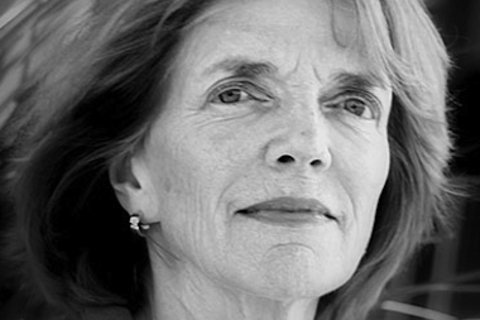
The neurophilosopher, whose latest book argues that the brain is all we are, discusses yoga, her awkward talk with the Dalai Lama, the soul and what makes her want to tell someone to just “bugger off!”
In her latest book Patricia Churchland eschews the simplistic reductions of popular media in favor of nuanced and self-consciously incomplete explanations, but it does share one shortcoming that plagues her peers.
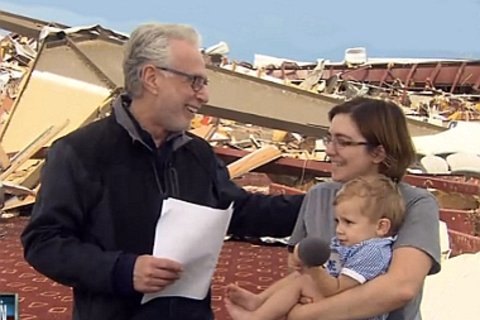
Anthea Butler caught flack for arguing the Zimmerman verdict exposed that a god-complex tied to white supremacy remains powerfully at work within U.S. society. She’s right, but I propose that the only religious response is to be atheist.
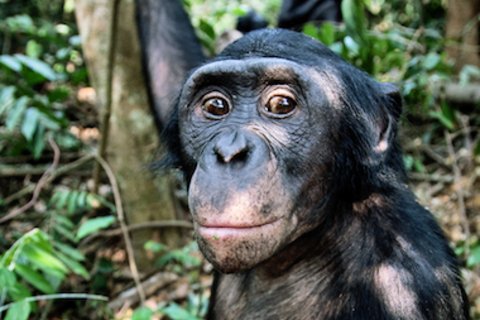
The famed primatologist’s latest book is a conversation about the common ground among atheists and bonobos, both of whom make it clear that religion has, lamentably and unjustifiably, been given credit for human morality.
The absence of historical and sociological context for atheist politics, and its disconnection from social justice activism, will keep it in the lily-white one-percent column.
My grandfather, born to immigrants in 1878, was undoubtedly familiar with the all-but-forgotten figure of Robert Green Ingersoll, the “Great Agnostic,” who popularized Darwin for the millions, who championed the disgraced Thomas Paine, and who kept alive the important tradition of American free thought during the last quarter of the 19th century.
The debate over the “Defense of Religion Act” in North Carolina played out with the predictability of a sitcom. I offer this modest proposal, then, to remind both sides that if this is a war, then they have fought to a stalemate, and it is time for some new tactics, by which I mean: the history of religion in America demonstrates that the winner of the culture war will be the side that does the opposite of everything they are doing now.