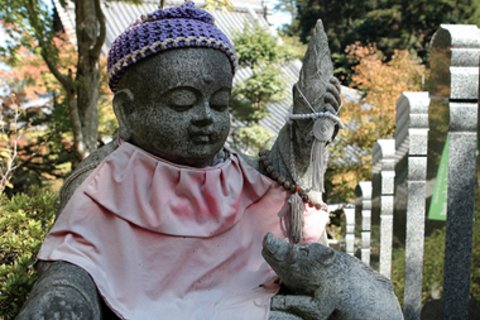
Buddhism, which has a larger US population than either Islam or Hinduism, has had a sizable and growing impact on American culture. So why no representative on the Obama administration’s Advisory Council on Faith-Based and Neighborhood Partnerships?
The latest generation of religion scholars has studied Lévi-Strauss only to distance itself from his theories, and to challenge the myth of structuralism. Perhaps in doing so we have created a fable of our own.
Abortion is not a liberal, secular invention; there are examples in Jewish, Muslim, and even Christian theologies—and in Buddhist and Hindu traditions—of instances in which abortion is justified.
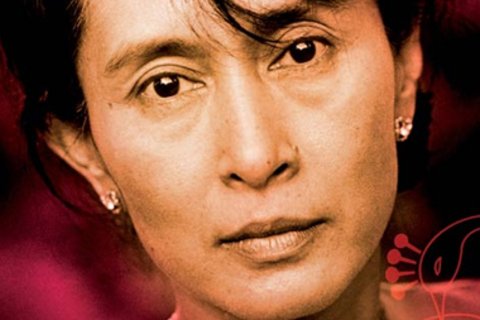
For Nobel laureate Suu Kyi, her years of house arrest have only deepened her Buddhist insight, and strengthened her commitment to a just society in Burma.
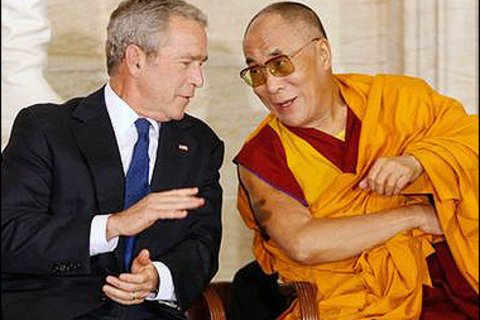
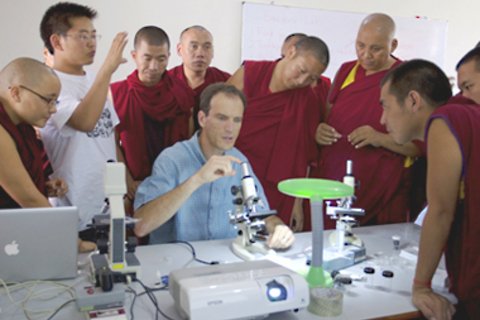
A scientist/professor in an experimental program teaching science to the Dalai Lama’s monks explains why this project is so much bigger than this one program, bigger even than working to reconcile religion and science. Think: globalization.
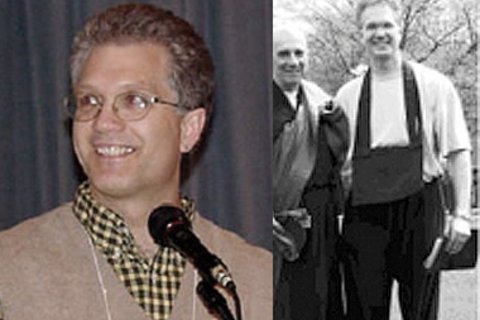
Under fire from Conservatives, an Episcopalian Zen practitioner’s shot at becoming a Bishop is in jeopardy. A stroll through Christian history puts Forrester’s practices in perspective.
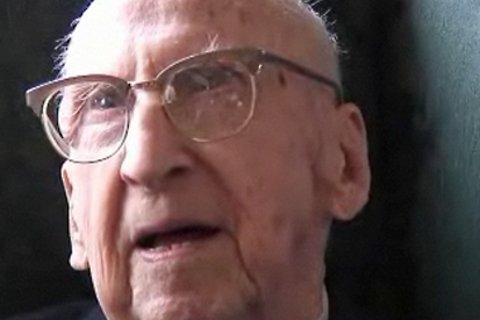
The oldest living man in the US (just two years younger than the oldest living woman) reveals his secret for a good life: Yogurt? Aerobics? Goji berries? No, he says, “I believe we are here to help other people.”
When an American TV show borrows from Eastern philosophy, it leaves the ethical dimension behind while offering a healthy dose of materialism. Even so, it might have something to teach us.
According to Zen, ignorance is the grand-daddy of suffering. That some AIDS victims are “innocent” and some not is not only ignorant, but the antithesis of compassion.