Catholicism is well known as a determined foe of communism, yet most Americans are unaware that Catholicism has also been highly critical of capitalism.
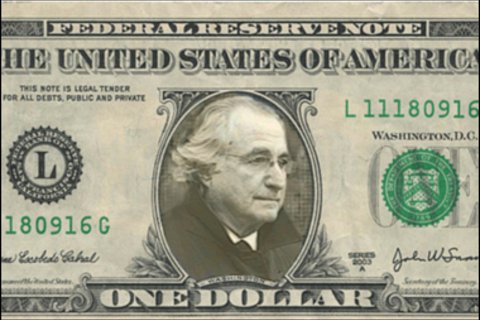
18th-century visionary financier John Law and 21st-century crook Bernie Madoff both had compatriots with a ravenous desire for free money—the vice that drove the systems in which these kindred spirits operated.
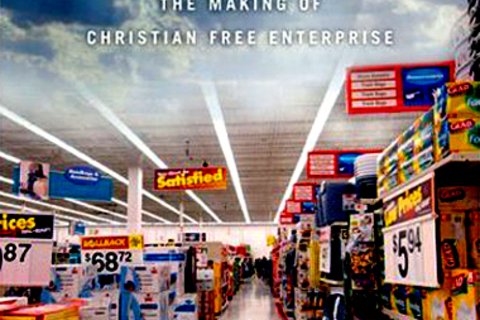
According to a pathbreaking new book, Wal-Mart’s success in reframing traditional gender roles, bending the curricula of business schools, and sanctifying working-class consumer capitalism, help explain the connections between conservative politics, the market economy, and family values.
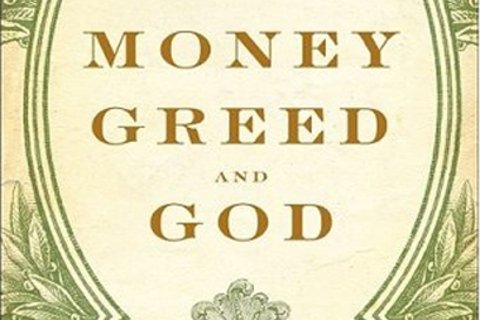
Even after the “revelation” that letting unregulated moneymen run the country isn’t a good idea, the neoliberals at the Heritage Foundation are still churning out the message; like the latest book by “theologian” Jay W. Richards, Money, Greed, and God: Why Capitalism is the Solution And Not the Problem.
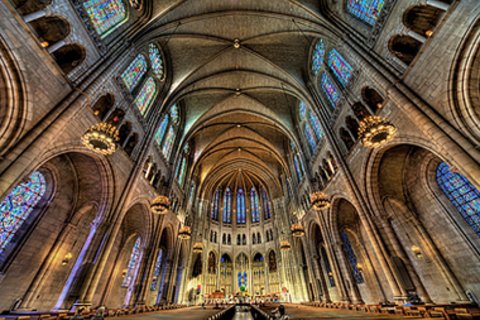
When New York City’s fabled Riverside Church brought in a new, evangelical pastor with a pay package of $600K it made roaring headlines and sparked a lawsuit. Our writer attended the Sunday service and reports back on the “controversy.”
When we take the approach that “all are sinners,” we confuse big-time criminality with small-time folly. This moral obfuscation allows the far greater misfeasance of corporate creditors to get airbrushed out of the picture.
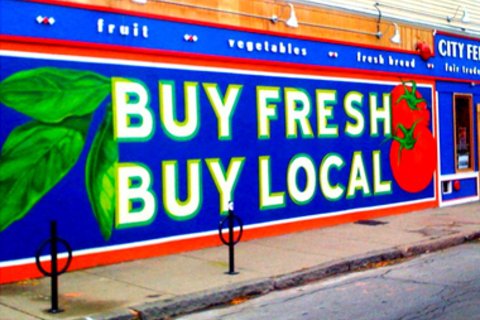
Buying locally reminds us that purchasing is a mythical act that cements us to community in some magical way. But what if the very morality of a “local” act is being marketed in its own right? Is it just as moral to help a Palestinian cultural center build community as it is to buy Cisco products whose ads promise the same?
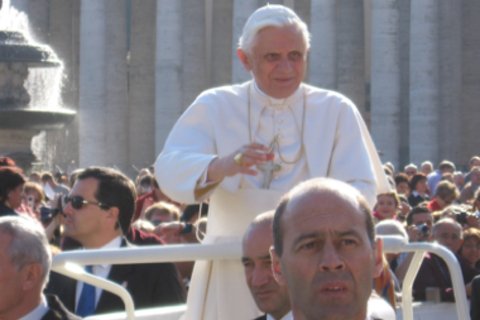
The Pope’s anti-modern critiques should not be waved off so easily, as many allegedly life-promoting institutions actually foster death. There is much in it that a progressive secularist could agree with—apart from feminism and sexual ethics.