Francis is attempting to bridge two pastoral approaches, evangelization and a preferential option for the poor, that have been at odds with each other in the Global South. But will he accomplish either?
Pope Francis turned heads with statements that suggest a course correction in the church’s attitude toward gays and women, but ultimately it’ll be what ministry, decision-making power, and moral authority women share that will answer the question.
As Francis heads to Brazil, is the new pope signaling a shift away from John Paul-era “conservative restoration” or is this simply a return to JP’s image-conscious conservative populism?
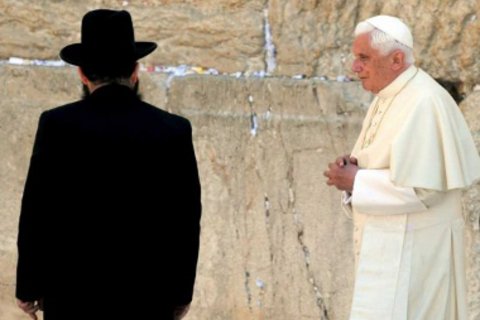
We tend to assume that interfaith dialogue is automatically a good thing, and that the best way to learn about another religion is to study its texts and its official positions. The Paris trial challenges both.
The Pew Forum found that the nones overwhelmingly saw religious organizations as “too focused on rules,” “too concerned with money and power,” and “too involved in politics.” Not on the list: a desire for a stricter moral code.
Let’s be clear: half of the world’s poor are women, and the church’s effort to deprive the Catholic women among them of contraceptives, of the use of condoms that could protect them from HIV-AIDS, and of the ministry of women priests who would marry, absolve, and anoint them, is no service to them.