In a series of pieces, RD contributors debate whether or not it’s proper and meaningful to label the ideology behind the terrorist attack on a New Zealand mosque “Christian” nationalism or simply “white nationalism.”
Christian nationalism and white nationalism have some common concerns, but they shouldn’t be conflated in their differing narratives and responses to Muslims and other immigrants.
The question of the “Christian” nature of Tarrant’s terrorism cannot be answered by appeal to a neutral umpire or standard. Hard as it may be to accept, I do not think a single, uncontested, objective yardstick exists against which to measure the “Christian” character of his act. What is “Christian” is—and always has been—TBD.
When I first heard the tragic news of the shootings at mosques in Christchurch, New Zealand, I was preparing a lecture for my Introduction to Western Religions course on Jesus in the Qur’an. This…
In the rare instances when courts roll back Christian privilege, the cries of persecution are swift. But parity is not oppression. And the erosion of unwarranted privilege is not persecution; it is the steady march toward equality.
That a state legislator’s prayer was meant to intimidate non-Christians seems self-evident, but it’s probably less clear to many observers that the prayer is also a symptom of a virulent strain of Christian nationalism.
White Christian nationalism’s foot soldiers don’t necessarily connect their racial resentment with their devotion to the Bible, yet they’re often trying to retake what they presume to be lost: white and Christian dominance.
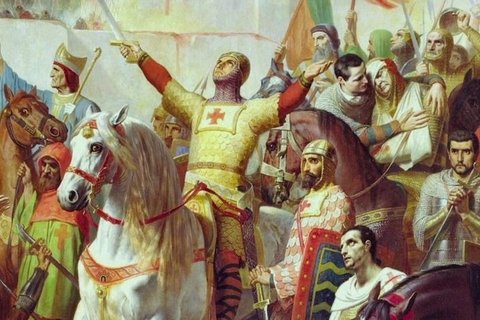
It makes no difference whether or not Tarrant or Breivik were card-carrying members of racist organizations. They imagined themselves as triumphant warriors in a great social struggle.
When you center abortion at the cost of all other issues, you center the unborn whose lives are supposedly at stake. The unborn become angels who must be protected at all costs, which means the rest of us—the born and bodied—are of secondary concern at best.