Not only are claims that the religious left is “on the rise” as old as the contemporary religious right itself, but the framing of the religious left may actually further enable the religious right.
A proposed resolution intended to commemorate perhaps one of the most radical, liberatory, and revolutionary pieces of legislation in the history of the world misses the point. And it’s not a mistake.
While the issues are piling up, the Supreme Court—and U.S. society more broadly—will have to face the questions ducked in Masterpiece Cakeshop, or else be willing to settle for a level of uncertainty that serves no one.
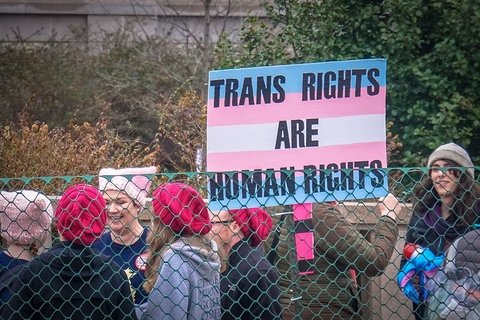
The American College of Pediatricians (ACPeds), founded in 2002 in opposition to the American Academy of Pediatrics’ (AAP) support for adoption by LGBTQ couples, was cited in one of several articles published by right-wing news outlets in late November in apparent concern over transgender people “taking advantage of” and “recruiting” people with autism.
A Christian nationalist coalition, including the Congressional Prayer Caucus Foundation, has published a new state legislative playbook for 2019 that’s 30 percent larger, and 100 percent as committed to a nation that reflects its sectarian values.
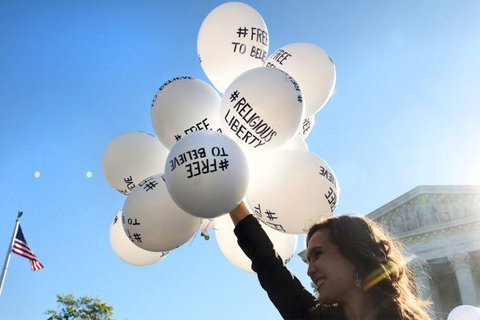
Behind earnestly worded appeals for religious freedom and respect is a pretense that the Framers of the Constitution and the First Amendment somehow intended to justify discrimination against others.
This September, Lyons spoke to David Neiwert, researcher and author of Alt-America: The Rise of the Radical Right in the Age of Trump, about his new book.
In a political climate marked by near-constant human rights violations, the resurrection of abstinence-only programs under the guise of “risk avoidance” occurs amid growing outrage fatigue.
This year’s streamlining process managed to nudge the standards in the direction of less biased coverage of the world’s religions, but much work remains if Texas students are to receive balanced instruction.
On November 6, Massachusetts voters will decide several ballot measures, including Question 3, which asks voters to overturn public accommodations protections in the Bay State based on gender identity.