cult/new religious movements

Religion Dispatches
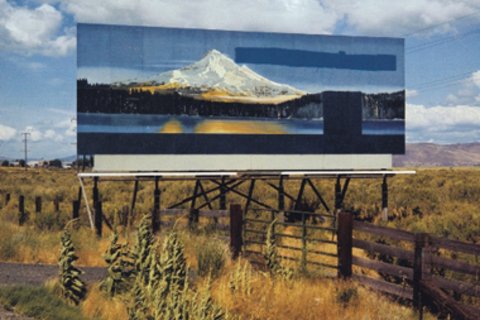
For Jeff Sharlet, the weird is out there: lost in the Wild West; hidden behind suburban fences and Hell Houses; on scratchy 1920s blues recordings and Mennonite funerals. His rare gift has been to make friends with the weird and almost make peace with it—which doesn’t mean he’s not skeptical.
Article
Religion Dispatches
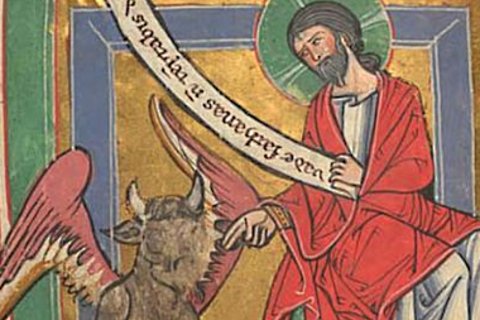
Generally, sociologists do not use the word “cult.” Those that do, such as William Bainbridge and Rodney Stark, use it in a highly specialized way to indicate groups that are innovative (unlike churches) but open to everyone (unlike sects). Religion scholars who study “new religious movements” (or NRMs) are the first to admit that “cult,” in its modern usage, has always been a theological term used by Protestants to label religions they do not like.
Article
Religion Dispatches
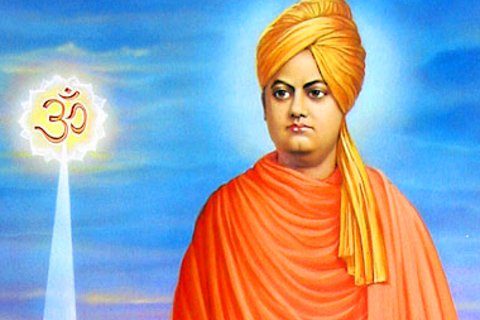
A recent NYT op-ed insists that it was Vivekananda who introduced yoga into the American “national conversation.” But that claim is flat-out wrong. I’m not suggesting that we ignore Vivekananda’s proven significance in the history and development of modern yoga, but the story is much more complex than what Bardach implies. She seems to suggest, after all, that it’s as simple as: Vivekananda introduced yoga to the West, “great minds” loved him, yoga was eventually co-opted by New Age baby-boomers, and it all went downhill from there.
Article
Religion Dispatches
In his new book, Richard Landes argues that in addition to the obvious End Timers many secular movements—the French Revolution, Marxism, Nazism—can be better understood as millennialist or apocalyptic.
Article
Religion Dispatches
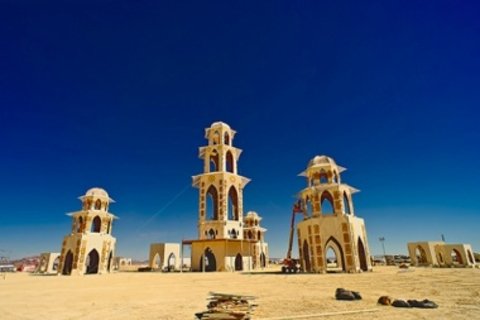
If there is any communal rite of passage at Burning Man, it is the Temple Burn on Sunday night, the event’s finale. Not everyone comes out for this event; some would rather dance to techno music or chat up a neighbor on the next bar stool instead of joining tens of thousands of Burners sitting on the ground quietly waiting for the temple to burn down, taking all their messages and their pain—they hope—with it.
Article
Religion Dispatches
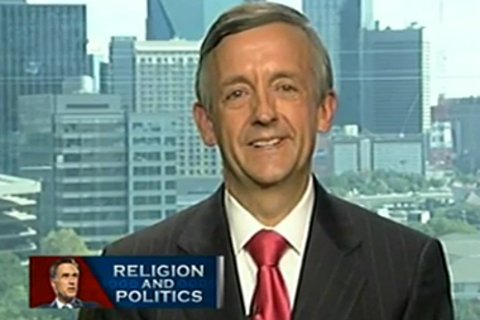
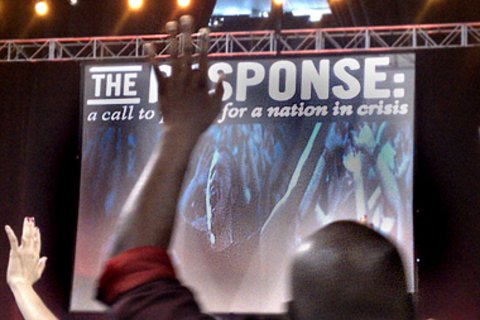
The people who gathered at Reliant Stadium are not just Rick Perry’s spiritual army, raised up, as Perry and others imagine it, in the spirit of Joel 2 to sound an alarm and prepare the people for Judgment Day. They are the ground troops the religious right set out four decades ago to create, and duplicate over generations, for the ongoing culture wars.
Article
Religion Dispatches
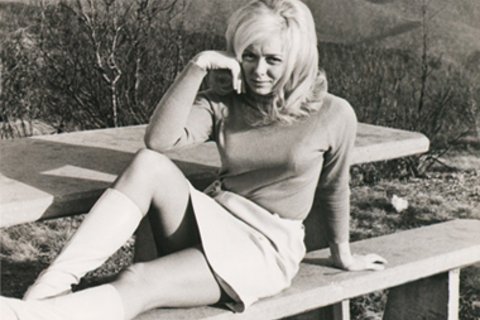
After treating the Vietnam War and the torture images of Abu Ghraib in his most recent films, Oscar-winning documentary maker Errol Morris turns to a 1977 scandal involving North Carolina beauty queen Joyce McKinney in his new documentary Tabloid.
Article
Religion Dispatches
“If I were to think of a use that I would want my book to be put to, it’s to try to provide for anti-capitalist Christians a more theologically robust response to that kind of thing, something that goes beyond proof-texting and presents a more convincing theological argument.”
Article
Religion Dispatches
This is a world in which all the dials are turned up to 11—there’s more risk, more conflict, more drama. It’s a world where a few men have over 100 children apiece. One guy has over 250. Drab or dismal it’s not.
Article
Religion Dispatches
If bloodthirsty undead zombie action isn’t usually your thing, you might be temped to pass on Stake Land. But like Danny Boyle’s 28 Days Later and Let the Right One In, the brilliant reworking of vampire tropes by Swedish novelist-screenwriter John Ajvide Lindqvist, Stake Land upends many of the expectations moviegoers are likely to bring to a genre film. It also makes grimly imaginative and occasionally audacious use of some of the religious and political themes threading through contemporary American culture.
Article