feminism

Religion Dispatches
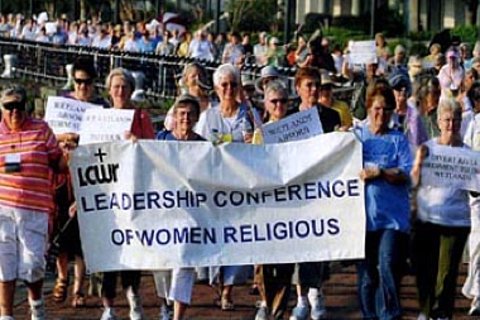
Having now cracked down on U.S. nuns and the Girl Scouts the Catholic hierarchy is aiming to define womanhood. Problem is, both of those groups are held in far higher regard than the men at the helm of the crackdowns.
Article
Religion Dispatches
Perhaps the Vatican’s hard-line tactics are an intentional purge.
Article
Religion Dispatches
Women who leave the faith have to cut off all ties, feminists say.
Article
Religion Dispatches
Throughout the history of the Church, bishops and popes have struggled mightily to keep committed celibate Catholic women under control. Already in the early Christian centuries male Church leaders forced virgins to describe themselves as “brides of Christ” rather than use the male martial imagery they had come to use during the Roman persecutions. The early equality between male and female desert monastics was likewise undercut when eighth century bishops began taking control of women’s monasteries and ordained monks to the priesthood for the first time (but not nuns, of course). And as, throughout the following centuries, groups of dedicated Christian women came together—canonesses, Beguines, beatas, recluses—popes, bishops, and male theologians went to great lengths to rein them in.
Article
Religion Dispatches
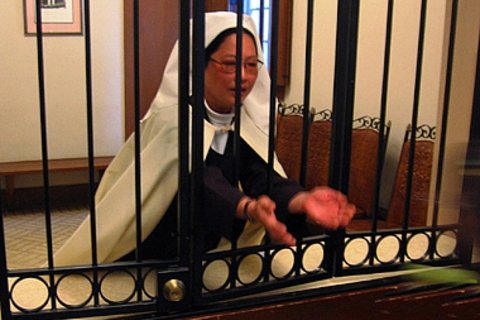
When it comes to the Vatican’s crackdown on women religious, I believe it’s time to declare that for the purpose of this struggle: we are all nuns.
Article
Religion Dispatches
The latest bloggingheads, plus.
Article
Religion Dispatches
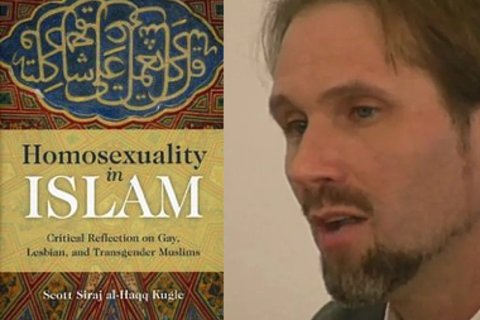
As scholar Scott Kugle knows well, to be both Muslim and gay means the possibility of having to “come out twice”—with the likely chance of encountering either homophobia or Islamophobia (or both), depending on the context.
Article
Religion Dispatches
Encouraging women to claim power through humiliation.
Article
Religion Dispatches
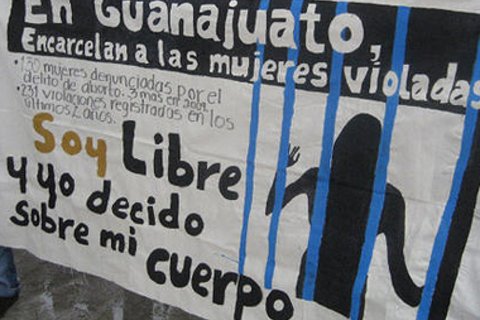
Macho, blind, dishonest, kidnapped by aliens. In recent years, detractors have spat plenty of venomous words at Beatriz Paredes, former national director of Mexico’s Institutional Revolutionary Party (PRI). “I abort you, Beatriz,” one editor even wrote in his takedown. A known feminist, Paredes stood by while her PRI colleagues in various states approved constitutional reforms declaring life as the moment of conception and penalizing the practice of abortion, leading to more investigations and arrests of women. While abortion was illegal before, it was practiced clandestinely without prosecutions in most places. Since 2008, 19 states have passed similar measures— most recently in Baja and San Luis Potosi just last month.
Article