If China becomes a new priority, an economic beacon and a political patron, what happens to the question of reconciling Islam and the West? Two new books offer groundbreaking approaches to this and other unexpected questions.
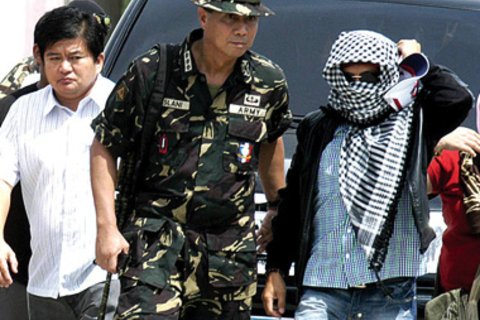
While most reports focus on the brutal massacre of over fifty Philippine citizens and the religious tensions that appear to be at work, beneath the surface it looks a lot more like a good old-fashioned power struggle.
The latest generation of religion scholars has studied Lévi-Strauss only to distance itself from his theories, and to challenge the myth of structuralism. Perhaps in doing so we have created a fable of our own.
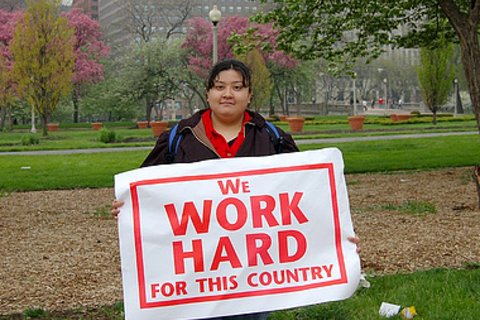
With the Obama administration’s renewed support for immigration reform, and new support from conservative Christian leaders, immigrants’ rights activists are looking toward real progress—and their vision is supported by recent scholarship in the intersection of religion and immigration.
Controversial Muslim Scholar Tariq Ramadan, banned from travel to the United States, spoke in Montreal last week at the annual convention of the American Academy of Religion. In a question-and-answer session he answered accusations of “doublespeak.”
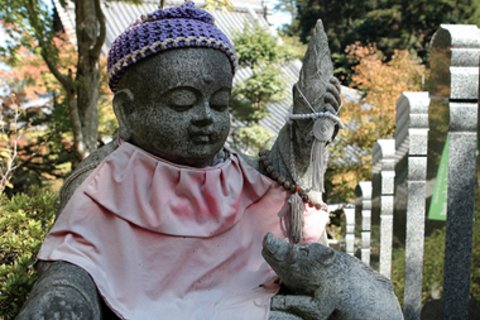
Abortion is not a liberal, secular invention; there are examples in Jewish, Muslim, and even Christian theologies—and in Buddhist and Hindu traditions—of instances in which abortion is justified.