Israel’s Ultra Orthodox, or Haredim, do not share the theological assumptions of the settlers—but in recent years a purely pragmatic alliance has formed. What does this mean for Israel as a society?
Set against the backdrop of the recent closure of a Knesset cafeteria due to an unkosher cockroach, Shalom Goldman takes an entertaining and meandering look at the state of affairs in Israel. Touching on topics as disparate as the alliteration-happy Israeli media and racist policy proposals, Goldman brings into sharp relief some of the tensions in Israeli religious and cultural life, much of which remains at the mercy of the Orthodox rabbinate.
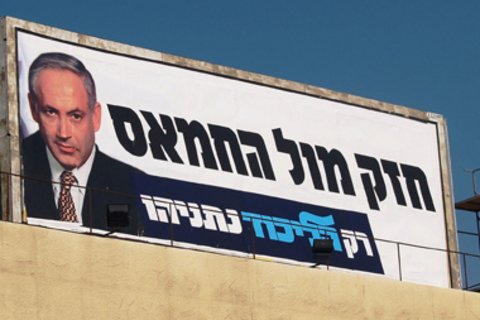
A new study reveals that the majority of Israelis view the conflict with Palestine through the lens of fear, throwing their support behind a parade of bellicose and paranoid leaders. Until the cycle of victimhood and aggression is broken no amount of pressure from the U.S., vain military adventures, or Labor Party victories will alter the tragic stalemate in the region.
From a religious and biblical perspective, the sons of Isaac have long viewed the sons of Ishmael as potential enemies, and vice versa. Each side sees the other as the opponent in a battle for God’s single blessing. But—in fact—God invented the two-state solution in Genesis 21.
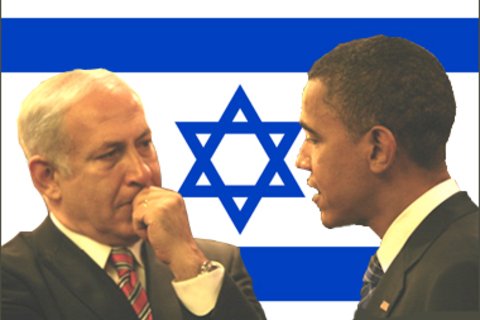
For Obama to steer us back to the softer side of Empire, withdrawing from Iraq and Afghanistan (and negotiating with Iran), he’ll have to overrule his key officials, Hillary Clinton and Dennis Ross, risk alienating Israel for its own good, and stand up to bracing public attacks. And he’ll need a hand from a strong, anti-imperial religious and secular peace movement.
All nations contribute to the management and definition of religion so it’s neither necessary, nor possible, to identify any state as definitively “religious” or “secular.” To choose is largely political.