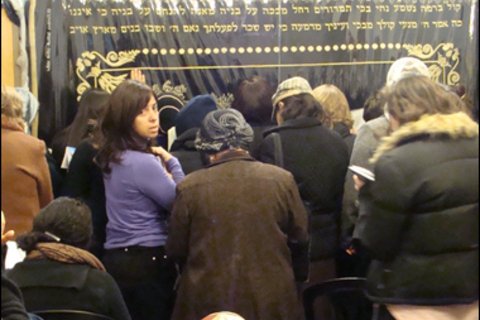
Netanyahu’s decision to declare two holy sites located in the Palestinian Territories and once shared by Jews, Christians, and Muslims “national heritage sites” triggers violence and conflict.
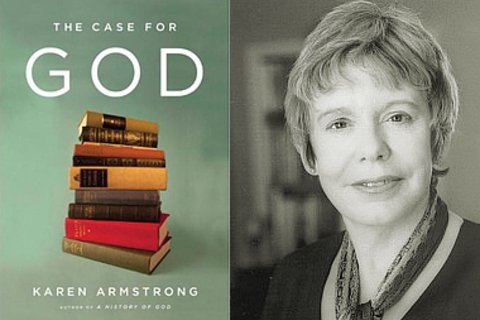
Two new books, one offering a vision of interfaith, universal religion, the other a model of a radically transformed Judaism, attempt to wrestle God into the everyday. Against the ascendancy of the so-called New Atheism, both writers argue for a God who transcends “god-management systems” and whose primary claim on us is through our own spiritual longing.
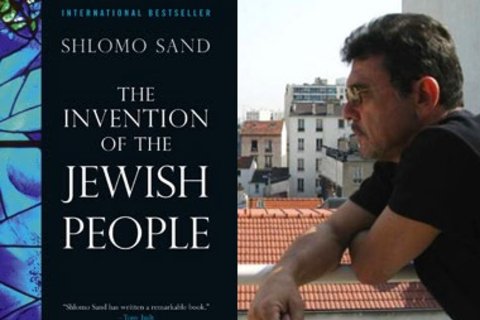
The reactions to the English-language publication of a book deemed “a scandal” reveal as much about the politics of contemporary Israel (and of its relation to the American Jewish community) as they do about the history the book describes. It’s not that Shlomo Sand believes that the Jews are not the chosen people—he argues that they might not be a people at all.
The Orthodox Jews of Lakewood, New Jersey, are worried about supporting the rights of gays and lesbians to marry because it might reflect badly on the community. Rabbi Justus N. Baird offers a corrective.
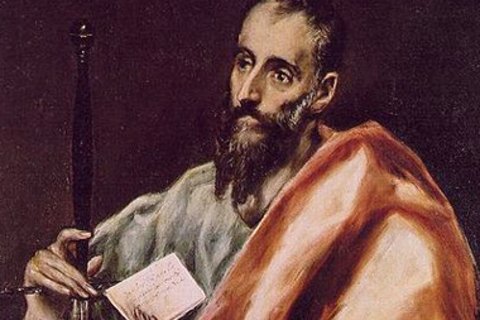
Saint Paul, Apostle to the Gentiles, set the theological foundation for centuries of Christian thinking about faith and redemption—and for as many hundreds of years of implicit (and explicit) anti-Semitism. But what if Paul has been misread?
Abortion is not a liberal, secular invention; there are examples in Jewish, Muslim, and even Christian theologies—and in Buddhist and Hindu traditions—of instances in which abortion is justified.
Of all the monotheisms, Christianity has come to depend the most on the idea of belief, or doctrine. But there is a strong countertradition, now submerged, that insists that any time we say we know who God is, or what God wants, we are committing an act of heresy.
From essays on same-sex segregation in Orthodoxy to the Jewish case against marriage to queer theology, this collection—edited by Rabbi Danya Ruttenberg—offers everything you ever wanted to know about Judaism and sexuality but were afraid to ask.