I have learned as both a pastor and a member belonging to several minority groups—African-American, women, and lesbian—that a popular opinion on an issue does not always reflect the right choice.
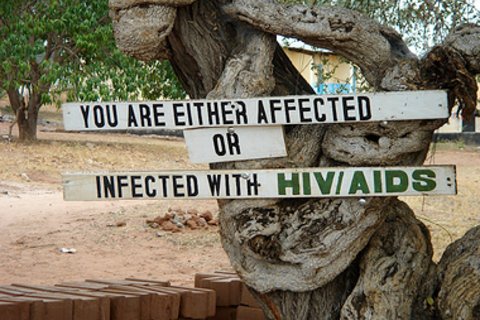
When you consider the Pope on condoms, a hospital’s failure to follow simple precautions, and the fading of activism, we’re still coming up short in the fight against AIDS. Still, even at the intersection of AIDS and religion, the news ain’t all bad.
As politicians argue, and our pragmatist-in-chief tries to find an angle, we can agree that not all moral dilemmas can be reduced to a cost-benefit analysis of pleasure and pain. There are some kinds of pain a morally serious person ought never to inflict.
A Massachusetts nurse loses her job after talking to a dying patient about religion. What does this case reveal about the place of sprituality in American hospitals?
When we take the approach that “all are sinners,” we confuse big-time criminality with small-time folly. This moral obfuscation allows the far greater misfeasance of corporate creditors to get airbrushed out of the picture.
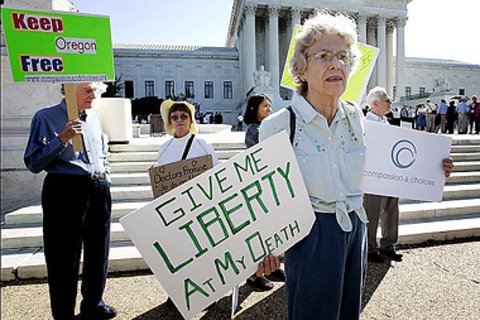
Modern medicine can prolong the lives of dying people, but in doing so it often prolongs suffering. Do religious arguments against suicide apply in these tragic cases?
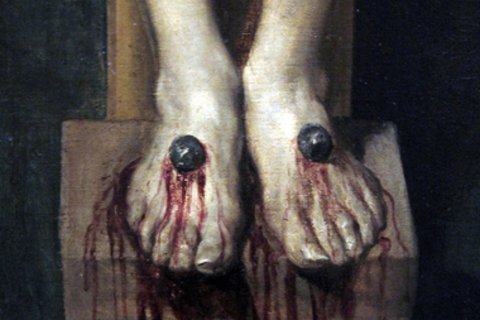
Relieved that Guantanamo Bay is closing? Don’t rest easy. Until we accept our collective responsibility for torture, and the fact that it requires not just the torturer’s denial, but ours, it will prevail.
What could James Dobson’s Focus on the Family and the League of Women Voters possibly have in common? They’re both members of a coalition to raise awareness of the devastating effects of, and to block, state-sponsored casino gambling in Massachusetts.
The United States is still using the logic of vengeance in enforcing the death penalty, and it is the only Western country within its primary coalitions to do so. When did it start? How can it end? What is wrong with us?