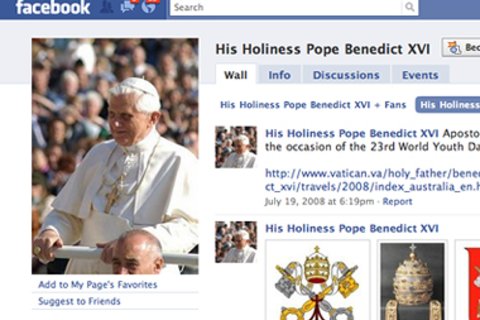
Benedict urges Catholic priests to use digital tech to teach and to evangelize, but the Holy Father may be underestimating the power of the non-hierarchical ethos of social media. Here’s hoping we might actually see a Vatican 2.0.
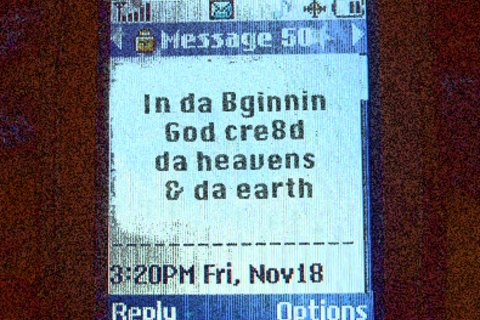
The Vatican’s Web site considers a patron saint of the internet, Muslims debate divorce by text, and Jews pray by email; How does the inevitable transition to the virtual realm affect religious experience across the world?
In which we take the long view, considering the place of religion in the twenty-first century so far. What stands out is our confusion—about religion, about the secular sphere, and about the future of both as embodying forms of political commitment capable of peaceable coexistence.
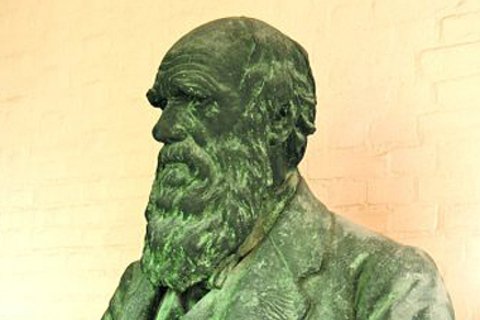
The argument between science and theology is as old as ancient Greece, where scientific rationalism first flourished, but it was revived with the advent of Darwinism.
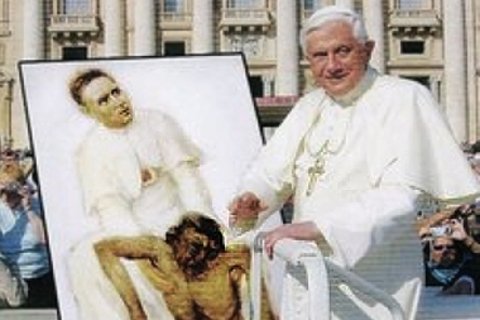
Father Damien de Veuster was a Belgian priest who ministered to a community of exiles on the island of Molokai. He has been, for many years, the unofficial patron saint of AIDS/HIV, a disease that has a history of misunderstanding akin to that of the illness he himself died of—Hansen’s disease, or leprosy.
In the official “Year for Priests,” dedicated by Pope Benedict, a priest in Florida has upped the ante on clerical malfeasance, allegedly fathering a child with a stripper, and threatening the woman with violence. What will it take for the Catholic Church to begin to take responsibility for priests gone wild?
The idea of transgender Christianity shocks people on both sides of the divide: conservative religious reject any kind of gender variance and the LGBT community can be suspicious of organized religion. In all of this, trans-Christians are forging a new spirituality.