A Pulitzer Prize-winning author tangles with one of the most fraught questions of the day: “The danger for science is that, if forced to choose between God or evolution, most Americans will choose God.”
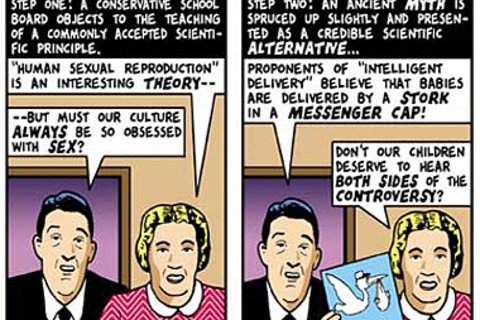
Comedian Ben Stein’s new documentary on the persecution of Intelligent Design advocates in schools is rife with errors and distortions, but there’s much to learn about the failure of science teaching.
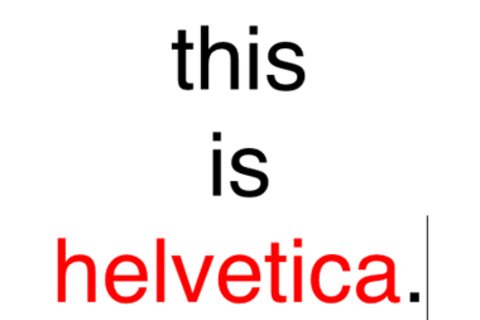
Simply put: Font matters. Is it possible that the most pervasive typeface of late capitalism—Helvetica—is telling us what the gods wish: Do not worry. Trust in me. Put your value here, and you will be rewarded?
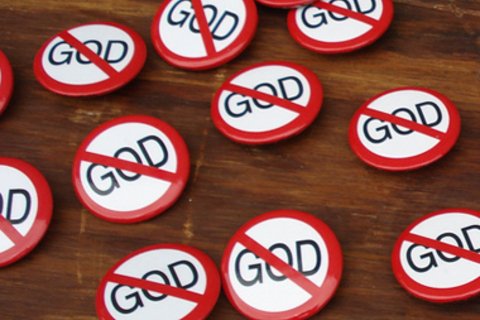
We should not overlook the New Atheists’ support for science, progressive views and legitimization of non-belief as a viable alternative. Unfortunately, their record is also marked by an intolerance of religious people and the alienation of potential progressive allies.
Do Richard Dawkins, Bill Maher, and other true believers really offer a different path, or are their methods and manner merely a mirror image of the fundamentalism they so despise? We are spiritual animals and must learn to live with the complexities and paradoxes of religion—and of the natural world as well.
A recent New Republic book review argued that science and religion cannot be reconciled. In response, biologist Arri Eisen suggests that we acknowledge the ‘pink elephant’—the thorny questions that arise when religion and science meet—and use it as an opportunity to teach and learn about the conflicting perspectives.
…as do Richard Dawkins, Sam Harris, and Christopher Hitchens. Upon viewing Bill Maher’s Religulous the author asks: Why are the so-called New Atheists using the archaic and theologically conservative definition of religion pushed by home-schoolers?
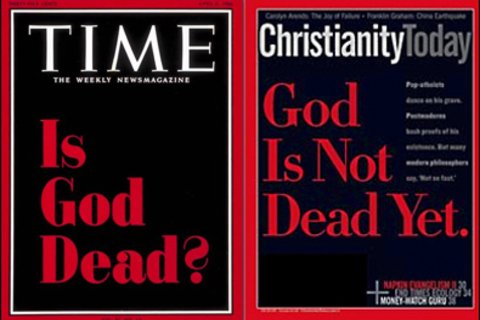
A leading evangelical takes on the “God is dead” crowd in the flagship journal of the conservative movement, but, our writer argues, neither theists nor atheists will win this argument until they stop misrepresenting each other and misinforming their readers…
Buried in the results of a recent survey is the fact that secularists may now be one of America’s largest minorities—larger than gays or African Americans. Will nonbelievers, traditionally one of the most loathed demographics, begin to feel their oats and demand greater recognition in the public square?