science and religion

Religion Dispatches
New York Times science columnist George Johnson had the epistemological grumps last week, about what he titled “The Widening World of Hand-Picked Truths.” It once seemed inevitable that science would…
Article
Religion Dispatches
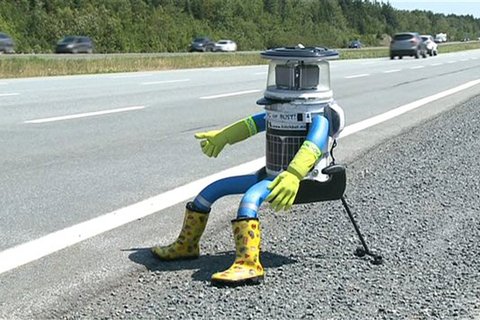
The following essay contains some minor spoilers. – eds. Imagine a world where robots look, act, and function like human beings, minus consciousness or free will. They’ve been programmed to take over…
Article
Religion Dispatches
Rob Bell is on the move. In 1998, as a 28-year-old evangelical pastor in Michigan, Bell founded Mars Hill Church. The community swelled into a megachurch, and Bell gained a national reputation among…
Article
Religion Dispatches
In The Life Changing Magic of Tidying Up, the Japanese cleaning consultant Marie Kondo offers simple advice: go through all of your possessions, one by one, and ask yourself, “Does this bring me joy?”…
Article
Article
Religion Dispatches
For the past three weeks, The Cubit has explored blame in the twenty-first century. We approached scholars, scientists, policy experts, and theologians to ask how blame takes shape in the contemporary…
Article
Religion Dispatches
This article is part of It’s Your Fault, The Cubit ’s series on blame in contemporary society. In her contribution to the series, journalist Xarissa Holdaway examines the American prison system and…
Article
Religion Dispatches
European negotiations over the Greek debt crisis have taken a series of bewildering turns in recent weeks. European financial institutions demanded dramatic cuts in social programs as a condition for…
Article
Religion Dispatches
This article is part of It’s Your Fault, The Cubit ’s series on blame in contemporary society. In this essay, RD associate editor Michael Schulson analyzes the patterns of blame that emerge in the…
Article
Religion Dispatches
In a recent article for The Cubit’s series on blame, RD associate editor Andrew Aghapour asks an important question: why do people more readily blame individuals than institutions? In Aghapour’s…
Article