The Daily Alert newsletter sent by the Conference of Presidents of American Jewish Organizations is quite predictable: the news sources it quotes are either the official statements of Israeli officials or media articles supportive of…
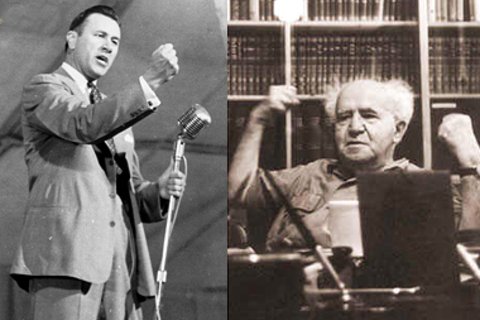
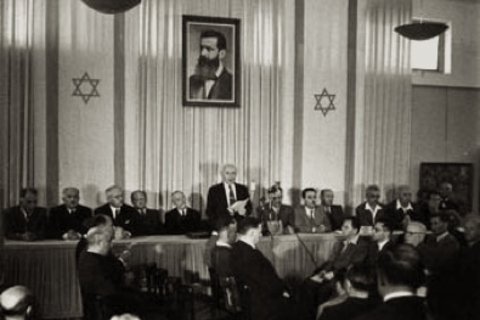
Famous for his use of TV to spread the message, Oral Roberts—friend of Israel’s first prime minister, David Ben Gurion—helped to popularize the notion that the newly founded State of Israel was an indication that God still acts in history and that events prophesied in the bible were at hand.
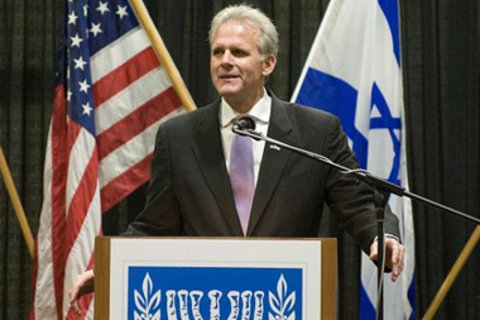
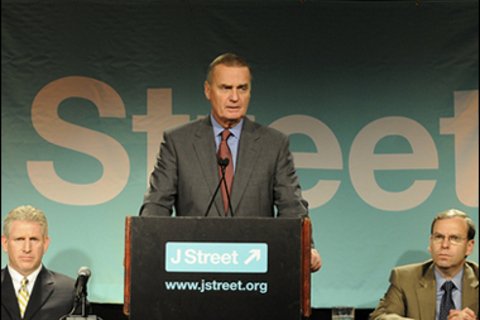
The Israeli ambassador to the US recently joined the American right charging that pro-Israel and pro-Palestinian J Street put the very “survival of the Jewish state” into question. Indeed, recognizing the full humanity of Palestinians would require a radical transformation of Israeli, Zionist, and even Jewish-American identity.
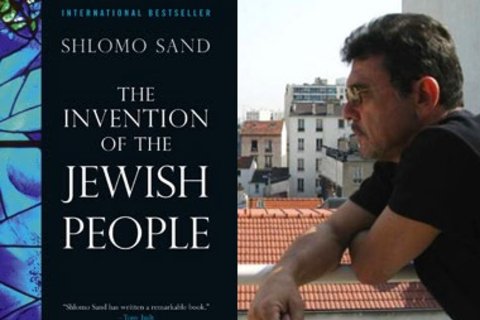
The reactions to the English-language publication of a book deemed “a scandal” reveal as much about the politics of contemporary Israel (and of its relation to the American Jewish community) as they do about the history the book describes. It’s not that Shlomo Sand believes that the Jews are not the chosen people—he argues that they might not be a people at all.
Israel’s Ultra Orthodox, or Haredim, do not share the theological assumptions of the settlers—but in recent years a purely pragmatic alliance has formed. What does this mean for Israel as a society?
At the largely symbolic “Durban II” conference, some Islamic states and their allies are busy equating faith with race, conflating religious criticism with bigotry, and fashioning new political cudgels with which to pummel the West.
The Republican strategy of scapegoating Muslims may have been calculated to lure Jewish voters, a failed strategy that turns out to be the tail-end of a long and damaging trend.
Listening to Palin and Biden, one is reminded that American support for Israel borders on obsessive. The biblical story of the golden calf reminds us that obsession does not usually produce good gods—or good policy.
The Zohan and Restless are significant as indicators of the current state of Zionism, but without engaging Jewish tradition and regional politics, they remain celluloid fantasies of sex and the city.