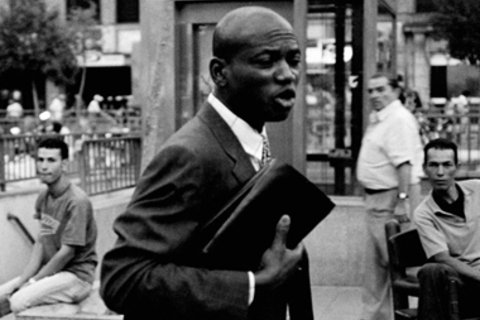
Was Dr. Braxton “too black” for Riverside Church? Progressive Christianity’s salvation may rest in the hands of the stereotypically primitive and cathartic world of non-white and non-mainline churches.
Does Christianity have any workable teachings for an age of global concerns? Were Jesus to return on this 40th anniversary of the moon landing to preach a “Sermon on the Moon,” “Consider the lilies” would become “consider the ecosystem,” and a “house built upon sand” would be, well, just about any house built on any shoreline in the world.
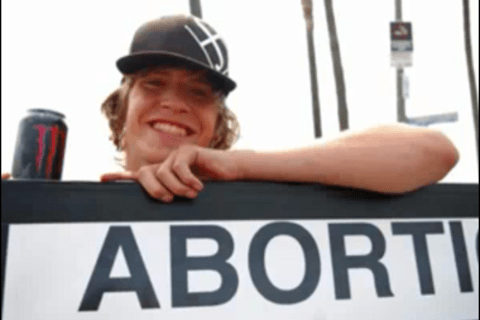
Young people are being trained by militant anti-abortion groups to be informed, media-savvy, publicity-oriented foot soldiers in the battle to outlaw abortion.
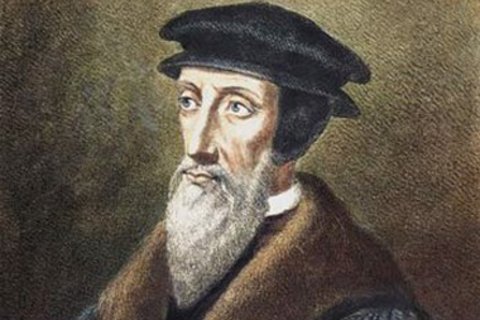
What is Calvin’s legacy today? For most, he evokes the most stern and punitive theology of groups like the Puritans, but the reality is far more complex and the legacy more far reaching. In this personal recollection, scholar Paula Cooey recalls wrestling with his vision of joy and cruelty in equal measure, noting that, in alongside his rigid and capitalistic descendants, sits a left-wing legacy among radical LGBT activists and some Marxists.
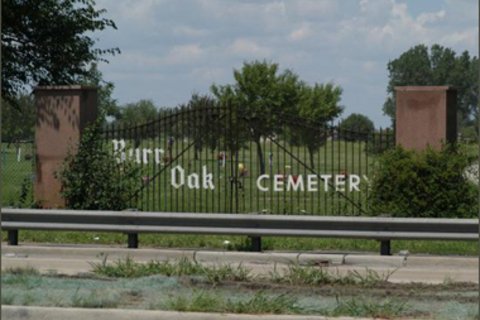
The scale and longevity of mistreating the remains at Burr Oak Cemetery is astonishing indeed, but it does have a familiar ring to it in the longer view of US history, if not human history generally, of attitudes toward and abuses of the dead.
A recent US News & World Report piece claims that “the churches most open to homosexuality are shrinking fastest.” A closer look at the numbers reveals a different picture.
Given that so many powerful Pentecostals and Charismatics, like Senator John Ensign and Sarah Palin, are embroiled in high-profile scandals, one might expect to hear more about the movements that unite them. Anthea Butler, a leading scholar on Pentecostalism and American religious history, traces the various movements and their theologies of wealth, healing, and dominion.
Does morality come from religion or is it merely “the language games of one’s time”? Are the most basic moral boundaries we evolved that make life easier and less chaotic a reflection of the character of God? If there is no God, or if He doesn’t care about us, then our common morality is still the result of practical, reality-based needs, which also “teach” that a good life depends on the “Do unto others…” ethic.