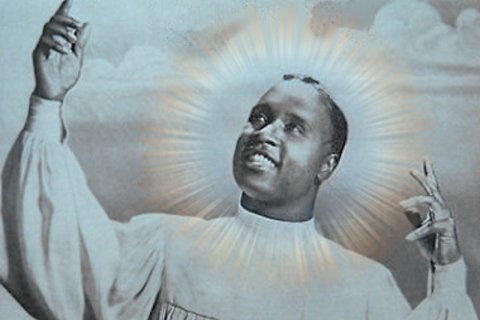
Most insiders to this world are privy to the open secret of gospel’s deep reliance on the contributions and influence of gay men and women. But Heilbut opens wide the closet doors and peers in with the bright light of righteous outrage for the plight of the children in an increasingly homophobic religious culture, while also bringing a deeply felt sensitivity for the stories of the children and their musical sensibility. As he writes: “It is impossible to understand the story of black America without foregrounding the experiences of the gay men of gospel.”
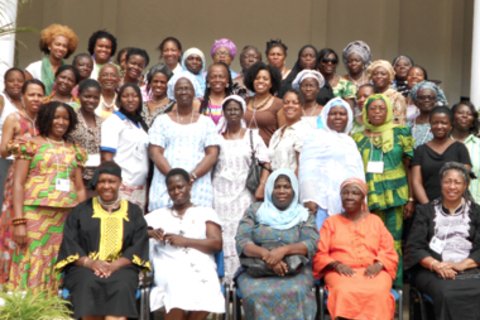
Still, that the women gathered at all is both noteworthy and historic. This meeting in Ghana is related to mid-twentieth century liberation movements and, especially, mid-to-late twentieth century liberation theologies. The furor that emerged during the 2008 US presidential campaign over black liberation theology and the recent echo of that uproar during the current campaign only highlights the unlikeliness of a convening of a meeting rooted in mid-twentieth century ideals.
What ought we do about millennial thinking in our day? If the combined 1300 pages of these two books have taught me anything, it’s that we can’t make it just go away. There is something fascinating, and perverse, in the human psyche that seems to yearn for this world to be other than how it is, even if that means destroying it.