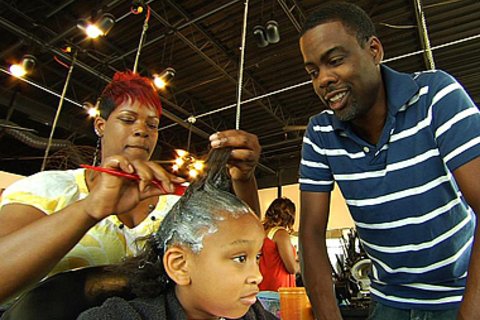
Chris Rock’s new documentary scrutinizes the politics and pathos of black hair care: from the beauty salon to the hair show, and from chemical relaxers to the Indian hair that fuels the hair weave industry.
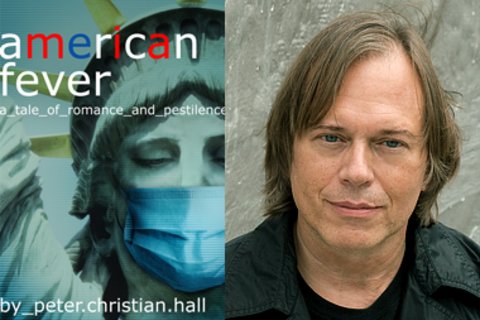
An online novel about a flu pandemic blurs the boundaries between real “flu-blogging” and the dystopic world of its blogger protagonist. And it exposes the cultural anxiety, both religious and secular, that disease unleashes.
You have to look long and hard in the public-square discussion today to find bilateral calls for complementarity and partnership. Yet why should the relations between evolution and creation constitute a zero-sum game?
I would hope that as thousands of my fellow GLBTQ citizens celebrate this day for which they have so long worked, and so hard, that they not lose sight of the cost which has come with it.
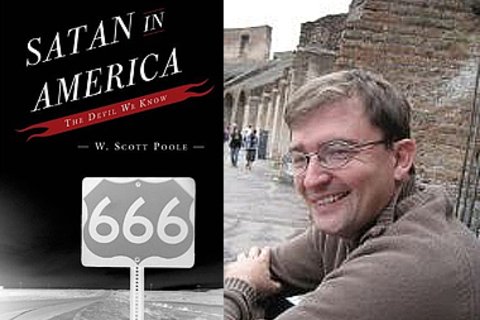
The Devil created by American culture is made in the image of American culture; our beliefs about Satan are part of a theological narrative that has shaped religion, pop culture, and even, in some cases public policy.
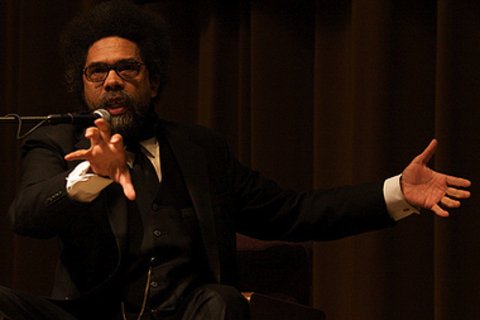
A supergroup of philosophers gathered in New York last week to talk about religion and public life, about the “centrality of the catastrophic” in today’s political context, and about considering the “uncommon” as opposed to “common ground” as a basis for ethics.
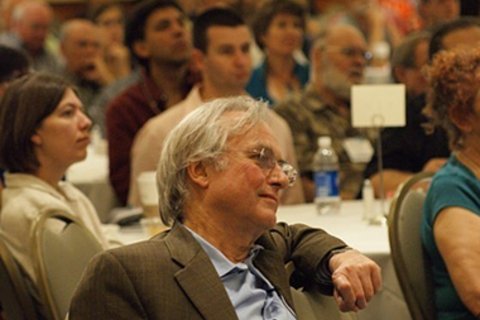
An atheist convention, attended by premier nonbelievers Richard Dawkins and Daniel Dennett, inspires some reflections on the virtue of a positive, productive humanism, rather than the anti-theism that dominates the discourse.