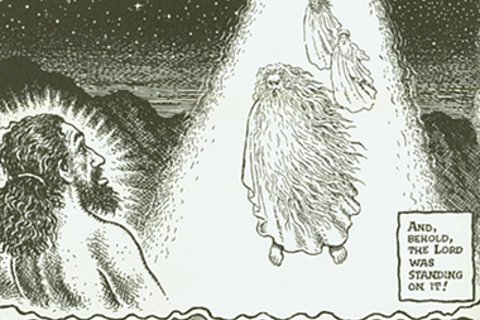
Legendary underground comics artist R. Crumb has produced a surprisingly reverent Book of Genesis. For real grotesquerie, you need to look back to the Bible of Basil Wolverton, an evangelical illustrator whose work dwelt on the bizarre and violent.
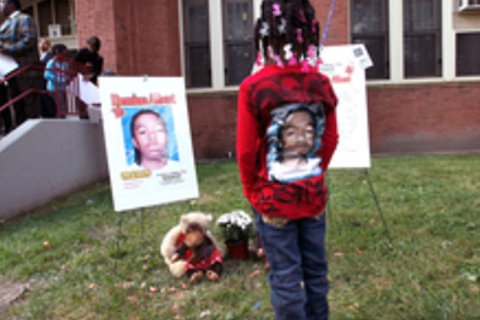
The problem of children slain in urban America is usually considered an inner-city crisis, isolated from the larger social sphere. But once you know about it, or see it up close, you see it everywhere.
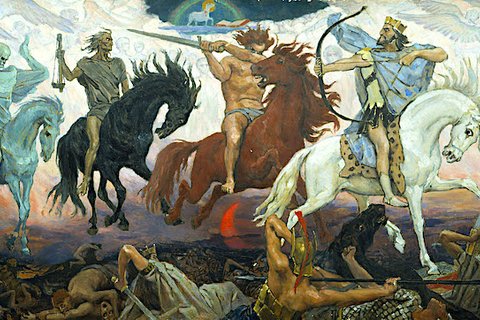
Finally, something Christians, Jews, and Muslims can agree on: Apocalypse. But as the theological end-time visions of the three Abrahamic faiths converge, it is not the wrath of heaven that threatens life on Earth, but all-too-human fundamentalism and fearmongering.
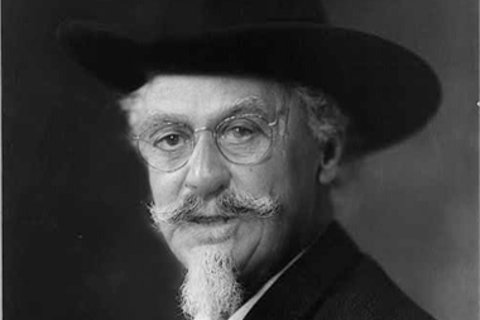
It was a hot summer for the Family, the exclusive conservative Christian group with designs on DC power—three politicians with ties to their C Street headquarters were caught in sex scandals. Jeff Sharlet, author of the definitive book on the secretive group, talks with us about the flickering media spotlight, and the future of the Family.
Dick Armey mobilized his protest troops at the Capitol this weekend, and prompted this meditation from our columnist on the dangerous nostalgia for white dominance—then and now—that this anti-Obama movement calls forth.
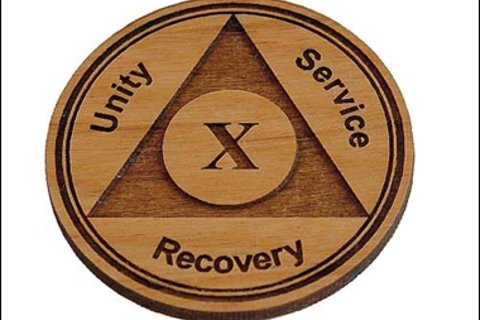
For 200 years religion, medical science, and psychology have been involved in an intricate, shifting alliance in response to addiction. With recent studies calling core principles of AA into question—like the admission of powerlessness, for example—is AA still the best we’ve got for addressing addiction, or would a different theological model work better?
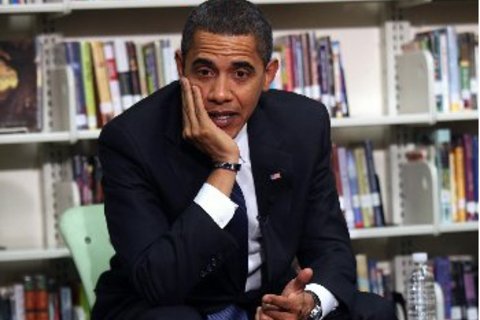
The conservatives who were frightened by Obama’s speech to schoolchildren weren’t afraid he’d say something radical—quite the contrary—they were afraid that the president would sound moderate and human. The real question, why did they buy the fear? is impossible to answer without considering religion.
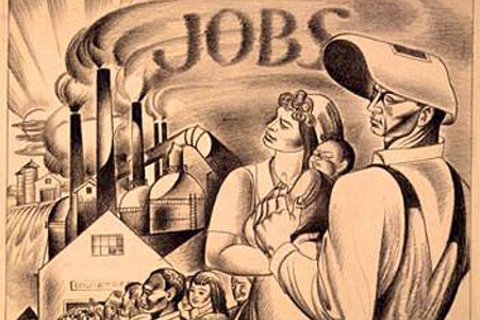
As the media yawns at the latest unemployment numbers, our columnist seeks religious leadership on the taboo subject of our dysfunctional relationship to work. For even if the economy recovers and “full employment” returns, we will still be encountering a workplace that remains a site of utter terror in some instances and a site of routine abuse and low-grade anxiety in others.
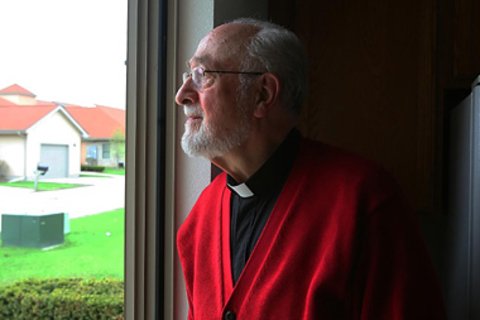
Rembert Weakland is a Catholic progressive, a Benedictine monk, and a former Archbishop. His new memoir tells the story of a career marked by good work, pastoral advocacy, and the public scandal of a gay love life.