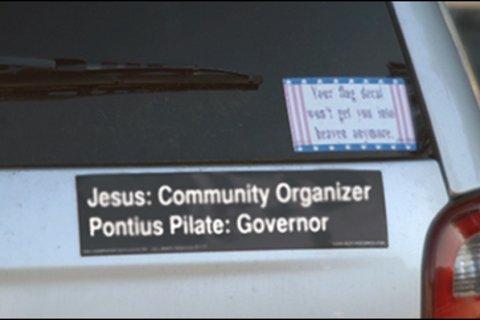
McCain’s choice of Palin and her veiled suggestion that Obama’s faith-based work might not represent a correct interpretation of either politics or theology are symbolic messages aimed at a specific religious constituency…
A rural town in Iowa is the home of the nation’s largest kosher meatpacking plant, a facility that–while already under scrutiny for its poor treatment of workers and animals–was recently the scene of the largest immigration workplace raid in history…
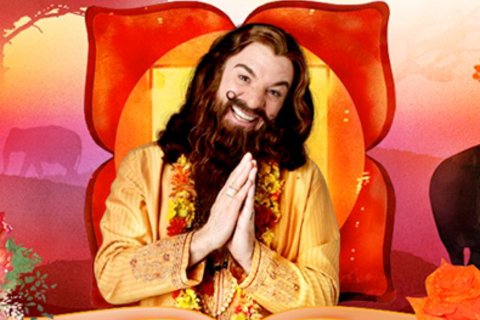
Mike Myers’s latest movie, plagued by interfaith protests, bad reviews, and a poor showing at the box office, makes us ask, once again, whether religion is allowed to be funny …
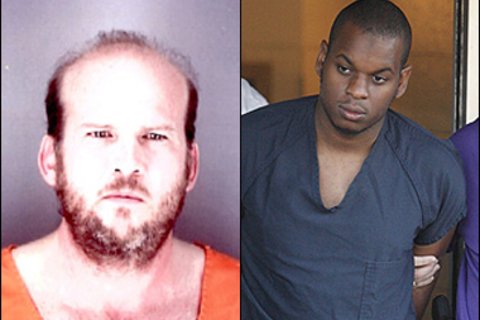
While much of the media had no trouble detailing the religious commitment of the Muslim killer of an army recruiter, most profiles painted Scott Roeder as a right-wing, anti-government, anti-abortionist, with a prior arrest history and mental problems. His connection with extremist Christian groups, apparently, is irrelevant.
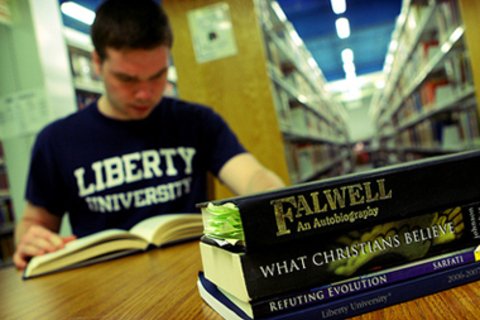
Brown sophomore Kevin Roose, an Ivy-league heathen, infiltrated the nation’s holiest university and emerged a changed man—not committed to conservative Christianity, but to finding a new language for reconciliation.
The prequel to Dan Brown’s The Da Vinci Code, features a “theo-physicist” on a mission to save the Catholic church from itself and perhaps the first action-movie villain driven to his diabolical acts by an addiction to intelligent design theory. Why are Americans so attracted to metaphysical thrills?
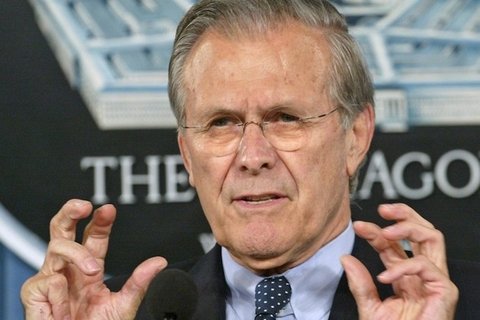
Bush-era intelligence briefings featured cover pages subtitled with decontextualized and misunderstood scripture in deference to the piety of the administration. Where were the Christian and Jewish moderates, and why didn’t they denounce this extremism?
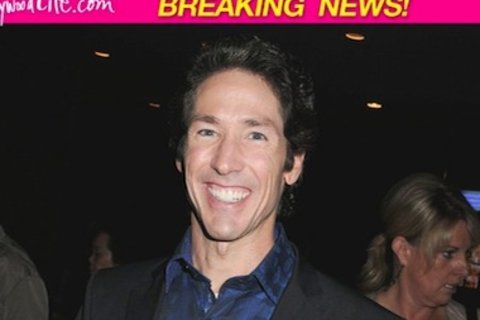
In the wake of a series of high-profile April Fool’s pranks and a hoax at the expense of mega-preacher Joel Osteen, the question remains: what makes us believe in bacon-flavored mouthwash, a Martian invasion, or the renunciation of faith by one of the world’s most famous Christians?
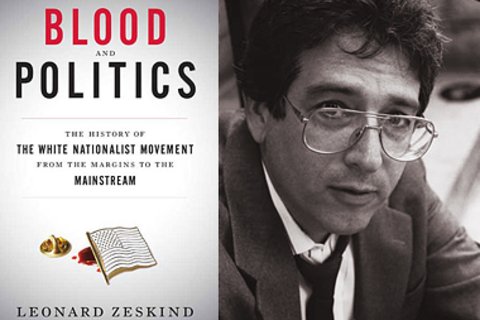
What’s a white racist to do these days? A new book examines the history of white nationalism as it has moved from the fringe to the mainstream, describes the religious roots of the movement, and alerts us to its political and social goals.