popular culture

Religion Dispatches
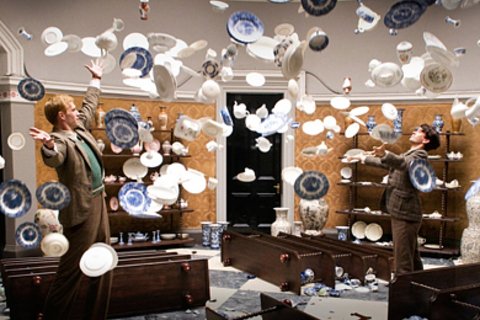
In the beginning were the stars, the cosmos calmed, ordered, still. Like every other film announcing its mytho-logic from the get-go, the camera angle of Cloud Atlas’ first shot tilts from the milky heavens above, to life in the mortal-bound realm below.
Article
Religion Dispatches
Looking at the online flood zone map of our neighborhood I feel calm.
Article
Religion Dispatches
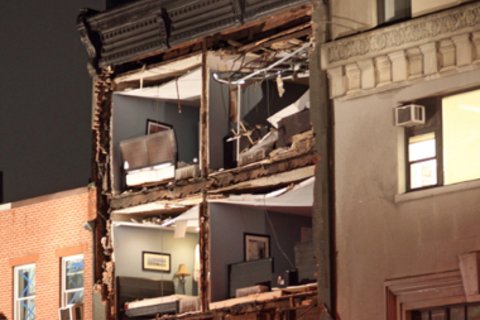
So to see Manhattan itself go belly-up after the storm, to watch how carnal we become when met with loss of power, has been a sobering and a saddening experience. All of this has made me think more squarely about how inured we have become to screens as the mediator of our imaginative lives. Without electricity, we have no escape. Without Playstations and Xboxes, we have no other-worlds. Without fully charged mobile devices, we have no social media. Without our screens, we have lost our spaces of order, our promised places of reliable rules, our escape from reality. Whereas some New Yorkers contented themselves with flashlights and novels during Sandy’s aftermath, others felt compelled to trudge up to the gaudy power-lit mega-screens of Times Square, where at least you could see commercials and fight for seats at Starbucks.
Article
Religion Dispatches
The highway that leads from the Mayan ruins of Chichen Itza back to the resort-lined coast of the Yucatan Peninsula runs straight through several small towns. And there beside the Virgin of Guadalupe and San Judas Tadeo a gargantuan lawn statue of La Santa Muerte—Mexico’s patroness saint of death—looms over the rest.
Article
Religion Dispatches
It’s easy. It’s so easy to skewer the American South, to depict its denizens and cultural products and religious values as a homogenized clutch of deprivation and backwardness. It’s so easy that The Learning Channel is riding high in the ratings game these days with Here Comes Honey Boo Boo, the latest offering to confirm mainstream media’s deep investment in portraying a one-dimensional and abject South. The old weary stereotypes slide down smoothly, like the creamy underlayer of a hashbrown casserole. It takes too much work to refract the South through a variegated interpretive lens; and besides, would consumers buy into this multifaceted vision anyway? If ever there were a bullseye target for this kind of elitist and unhelpful framing, it would surely be Southern Gospel music.
Article
Religion Dispatches
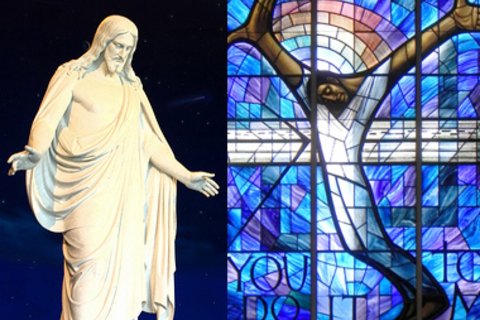
By tracking the way Jesus Christ has been rendered through the American racial imagination—actually lining up all the evidence, from Puritan witch trial transcripts through stained glass windows through contemporary movies—Paul and Ed give us a new place to start a national discussion about who owns the image of God. That discussion has been going on, as The Color of Christ demonstrates, in communities of color since the early nineteenth century, if not before.
Article
Religion Dispatches
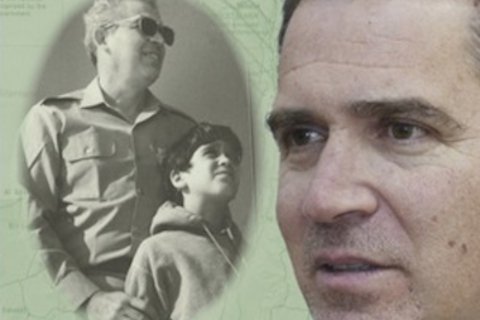
A new memoir by Israeli peace activist Miko Peled, the son an honored general, details a far different history from the one most Americans are familiar (or comfortable) with.
Article
Religion Dispatches
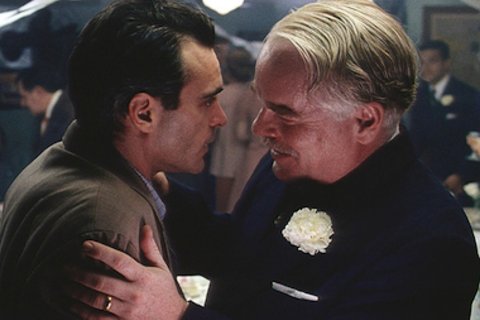
While Paul Thomas Anderson’s The Master provides the latest (and greatest) vantage point, 2011 saw the release of three solid films on the topic. Why now?
Article
Religion Dispatches
Restless Heart is quite obviously a labor of love. Someone really, really loves Augustine. Writing critically about it, which I must do, feels a bit like complaining that someone’s terribly earnest, harp-accompanied wedding was tacky, and too long.
Article
Religion Dispatches
The hope, the change, the Antichrist.
Article