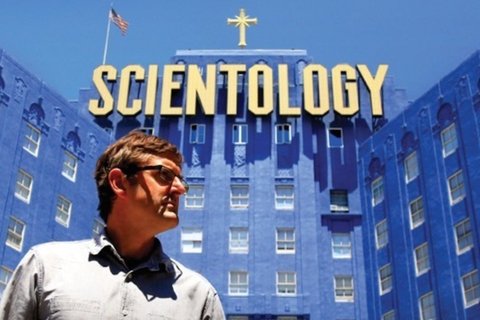
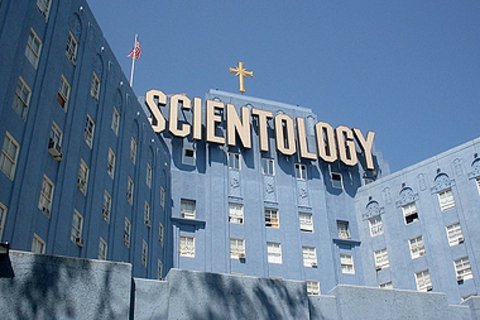
I never thought I’d write something like this, but My Scientology Movie actually had me rooting for the Scientologists. My Scientology Movie is the latest from Louis Theroux, who is perhaps best known…
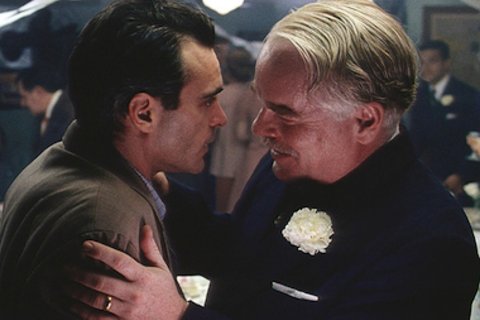
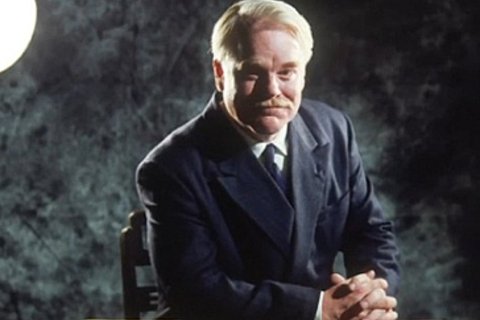
While Paul Thomas Anderson’s The Master provides the latest (and greatest) vantage point, 2011 saw the release of three solid films on the topic. Why now?
Instead of setting out to debunk Scientology, The Master is driven by Anderson’s genuine curiosity about religious charisma. The writer-director got the idea for the film after reading that postwar America was a particularly fertile environment for new religious movements. This idea brought together a number of other themes and ideas that had been rattling around in his head for some time, catalyzing them into a coherent story.
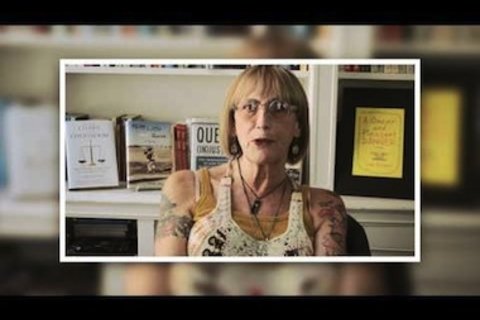
When I first thought about writing the book, I thought I was dealing with the same Scientology I remembered, but I’ve since realized that it has changed. We never thought of it as a religion back then! We would call it a Church, but we would “wink” because we were fighting to get tax-exempt status. But I know that Scientologists today believe that it’s a Church—a religion—and it is becoming one.
Kate Bornstein’s new book recounts the years before Scientology was considered a religion, when it gave her all the answers on gender, loss, and addiction she needed not to hear. Sounds just like… bad religion.
Given the spotty history of L. Ron Hubbard’s life and the church’s well-documented vindictiveness toward critics, there’s a great deal of criticism to be found on Scientology. But two new books examine the history of the church without sensationalism or facile mockery.