The secular world, in confronting evil, has long relied on one solution: the use of coercive power to violently incapacitate those who do evil—often with “collateral damage.” Maybe it’s time to explore other options?
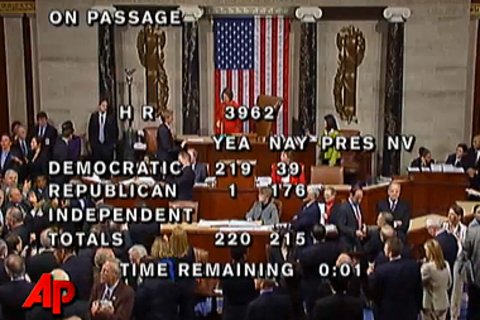
With left-leaning faith groups unable to agree on abortion issues, the religious right—with the help of anti-choice Democrats—were able to convince Democratic strategists that they spoke for people of faith. Will the inability to take a strong stance for women’s rights split religious coalitions?
In a state where it’s almost required to have a Christian-themed bumper sticker the legislature approved an “I believe” vanity plate. A federal judge has just deemed it unconstitutional.
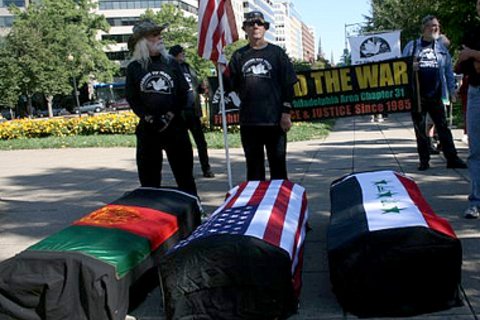
When it comes to peace activism, holding signs might not always be enough, says sociologist Sharon Nepstad. In this interview she explains why, and talks about the unique historical role of religion in nonviolent protest.
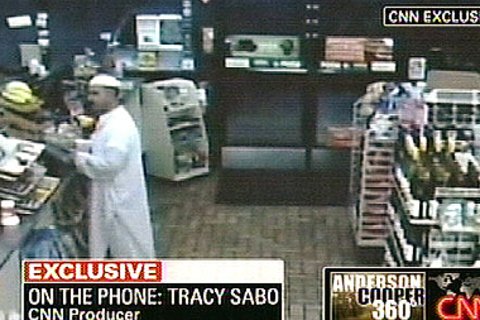
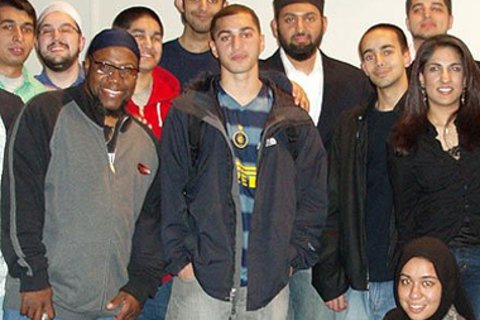
An NYU professor suggests in Forbes that we refer to tragedies like the one at Ft. Hood as “Going Muslim.” An NYU alumnus, himself a Muslim, finds himself shocked, not so much by the article, as by the response of the school administration.
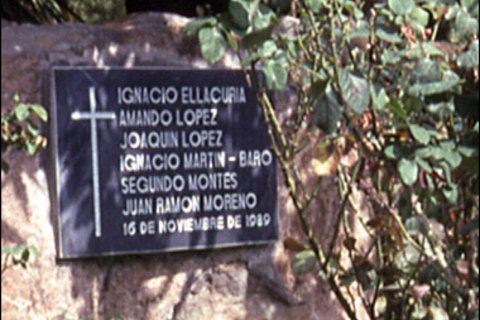
Two decades after the murder of six Jesuit professors, El Salvador is celebrating the end of right-wing rule and the first peaceful transfer of power in nearly 200 years.