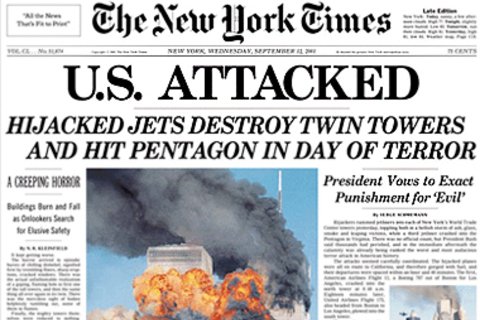
Twenty years ago, in the immediate aftermath of the September 11 th attacks, President George W. Bush unleashed what he termed the War on Terror that reoriented the geopolitical security paradigm…
The mainstream discourse in the West describes the “War on Terror” as a “geopolitical” mission. When we speak of terrorism, we talk about territories held and lost by “extremists” and “insurgents,”…
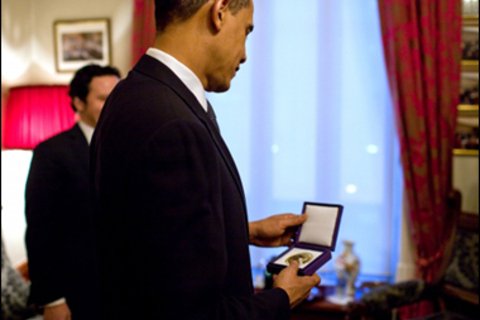
Ironically, the president’s Nobel acceptance speech reestablished many of the (flawed) Bush justifications for war. Are we, or are we not, in a religious war?
Nonviolent resistance movements were part of the 20th century’s eternal contribution to human history; can those ideals be sustained and reinvigorated for a new era?
First of all, the phrase “war on terror” needs to be retired. As a war, it is largely imagined, and as an idea it is ill-conceived. The effect of thinking in terms of global war is to make enemies out of millions of Muslims who would otherwise have been our friends.
We simply took a page from the Israeli anti-terror playbook (“hit them ten times as hard as they hit you”), and we now live in a world as permanently destabilized as the world most Israelis so grimly inhabit.