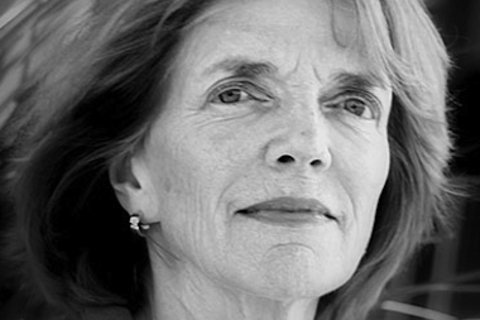
The neurophilosopher, whose latest book argues that the brain is all we are, discusses yoga, her awkward talk with the Dalai Lama, the soul and what makes her want to tell someone to just “bugger off!”
If traditional notions of Judaism and Jewishness are at odds with the contemporary world, one can either change Judaism, or one can change the world. A new book makes a case for the former.
The far left and the far right agree on many things: mainstream politics doesn’t matter, hidden forces control our destiny, and, in case you hadn’t noticed, the world is about to end.
’Tis the season to be jolly? Well, not if you attended the annual AAR-SBL national meeting in Chicago’s McCormick Place. If the experience of others was like mine, those of us with some years on the scene came away deeply dissatisfied.
It’s simpler to assume that religion and feminism are at odds; that religion is simply the provenance of those who use tools like pro-life politics to fight feminist agendas. It’s much more complicated to think of religion as both resource and adversary in the political struggles that feminists face.
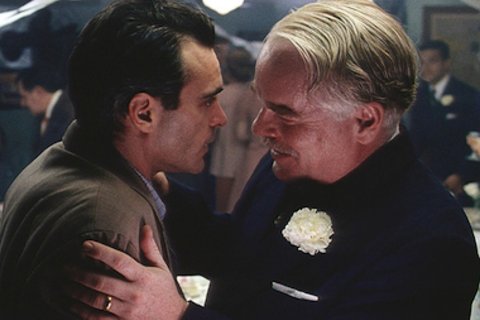
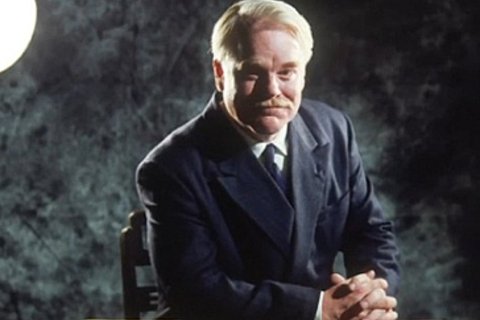
While Paul Thomas Anderson’s The Master provides the latest (and greatest) vantage point, 2011 saw the release of three solid films on the topic. Why now?
Instead of setting out to debunk Scientology, The Master is driven by Anderson’s genuine curiosity about religious charisma. The writer-director got the idea for the film after reading that postwar America was a particularly fertile environment for new religious movements. This idea brought together a number of other themes and ideas that had been rattling around in his head for some time, catalyzing them into a coherent story.